Neither BPC-157 nor TB-500 is FDA approved for any indication
Common Contraindications Active or recent cancer (BPC-157 and TB-500 angiogenesis concern), Wilson's disease or other copper metabolism disorders (GHK-Cu component), pregnancy or breastfeeding (no safety data for any component), and competitive sport at WADA-tested levels (BPC-157 and TB-500 are listed under WADA category S0 Unapproved Substances) are commonly cited reasons not to research KLOW
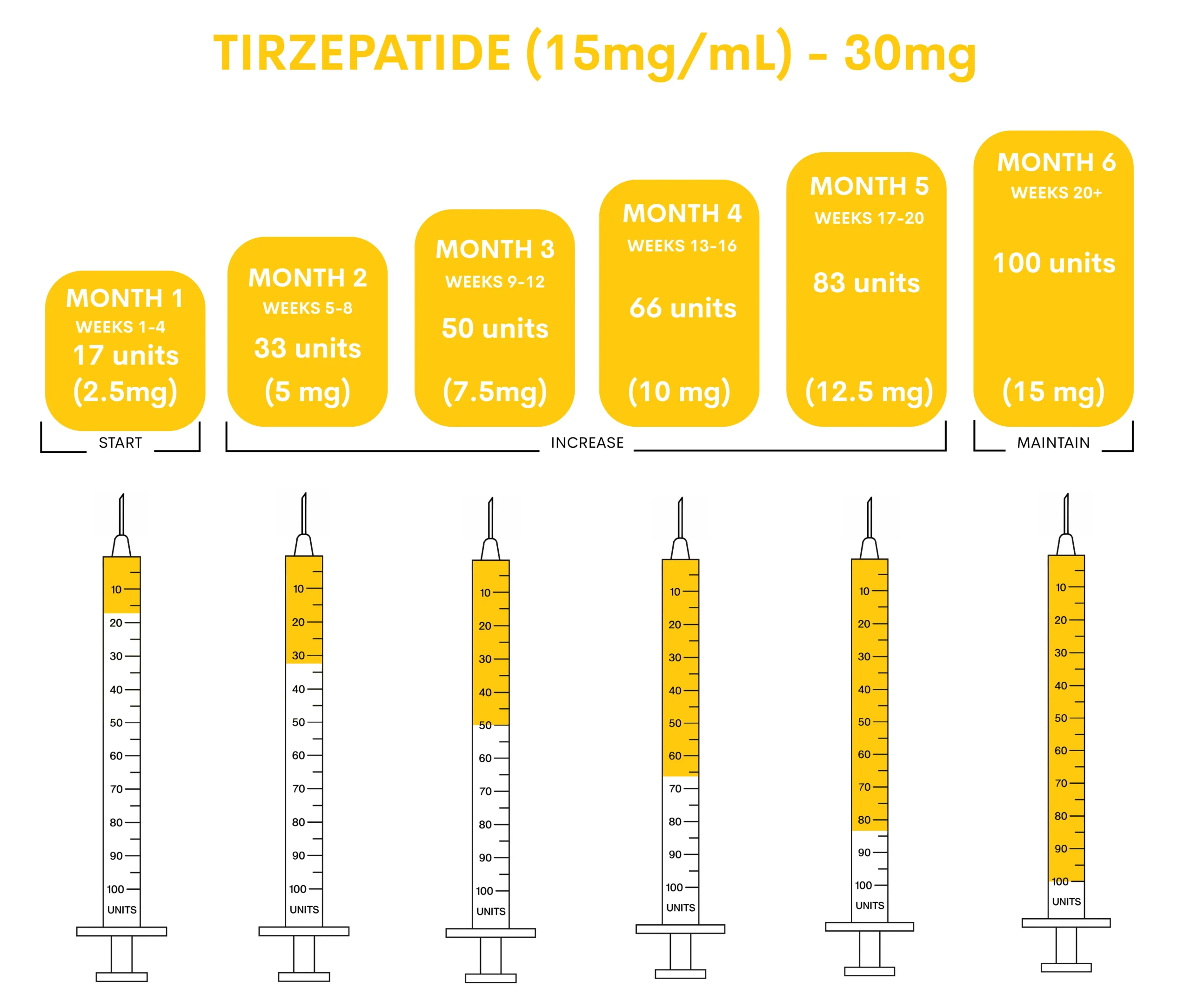
29 gauge, 1/2 inch: the standard for most peptide protocols, including BPC-157, CJC-1295/Ipamorelin, and GHK-Cu 27 gauge, 1/2 inch: acceptable alternative, slightly wider bore makes drawing viscous solutions easier U-100, 1mL capacity: the correct syringe volume for most peptide doses, with clear graduations for accurate measurement Bacteriostatic Water vs Sterile Water: Why the Distinction Matters Lyophilized peptides (the powdered form dispensed by compounding pharmacies) require reconstitution before injection
It is the same BPC-157 molecule as in the classic vial BPC-157 10mg, the difference concerns only the form: PEN delivers a ready solution without the reconstitution step, the vial a dry powder for self-dissolution
The break is essential for preventing receptor accommodation and consolidating tissue remodeling







:max_bytes(150000):strip_icc()/health-GettyImages-2025836701-ce3f5ccf0f98428e9d14abaeb07ba307.jpg)